


R E B E C C A I O N A
MACAT (Clinical), First Class Honours
Bachelor of Applied Theology
Registered Clinical Creative Arts Therapist
Professional Member of the Australian, NZ and Asian Creative Arts Therapies Association (ANZACATA)
Meet the founder
Kia ora! I’m Rebecca, a Registered Clinical Creative Arts Therapist based in Tāmaki Makaurau. I specialise in supporting children and young people who feel deeply, think differently, or move through the world with sensory and emotional needs that aren’t always understood by the environments around them.
My work is grounded in over twenty years alongside tamariki and rangatahi in education, youth justice, care and protection, pastoral care, and therapeutic practice. These experiences shaped the heart of my approach: creative, sensory‑aware, trauma‑informed, and deeply respectful of the many ways differently wired minds express themselves.
While most of my therapeutic work is with children and young people, I also support parents, caregivers, and adults who are exploring their own neurodivergence, sensory needs, or emotional worlds. My practice is rooted in lived experience - as a neurodivergent person myself - and in a belief that every nervous system deserves to feel understood, honoured, and supported.
Alongside therapy, I’ve created a therapeutic ecosystem of sensory tools, creative rituals, and grounding practices designed to support regulation, expression, and everyday moments. These tools are chosen with care: subtle colours, natural textures, and materials that feel gentle on the senses and grounding in the body.
Where it all began
When I was little, I wasn’t the loud or dramatic child. I was the one hiding behind my mum’s legs, overwhelmed by new faces, new places, and the unpredictable rhythm of school mornings. I felt safest with one or two familiar people, and anything outside that small circle felt too big, too fast, too uncertain.
Transitions were hard. Friendships were confusing. Mornings were often chaotic - not because I wanted them to be, but because my neurodivergent brain and sensory system needed things to feel a certain way, long before any of us had the language for that. My family did their best, but without understanding what was happening underneath, those moments were frustrating for all of us.
Somewhere along the way, people started calling me “Beck the Wreck.” It stuck partly because it rhymed, but also because the mismatch between my needs and the world around me often created storms I didn’t yet know how to explain.
I didn’t grow out of any of this. I grew into an understanding of it.
As an adult, I can look back and see the patterns clearly: the sensory sensitivities, the need for predictability, the overwhelm that built quietly, the creativity that saved me, the deep internal world that made everything feel both rich and intense.
This lived experience is woven through everything I do. It’s why I sit with children and young people the way I do - gently, patiently, with an understanding of how much is happening beneath the surface. It’s also why I support parents and adults who are only now finding language for their own sensory worlds.
“Beck the Wreck” isn’t a story about chaos. It’s a story about mismatch, misunderstanding, and the lifelong process of learning how a differently wired mind moves through the world.
It’s the root of the ecosystem I’ve built here - creative therapy, sensory tools, and grounding rituals that honour the many ways neurodivergent bodies and minds experience life.

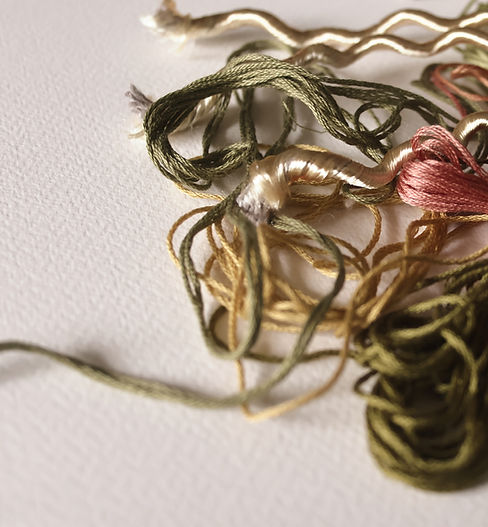
Threads that shaped my practice
My work has been shaped by more than two decades of working alongside children and young people in education, youth justice, care and protection, pastoral care, and therapeutic settings. These environments taught me more about human behaviour, resilience, and nervous‑system overwhelm than any textbook ever could.
I’ve sat with young people who were labelled “defiant,” “disengaged,” or “out of control,” when what was really happening was sensory overload, trauma responses, unmet needs, or a nervous system pushed far beyond its capacity. I’ve worked with children who were described as “shy,” “withdrawn,” or “hard to reach,” when they were simply protecting themselves in environments that felt unpredictable or unsafe.
These experiences shaped the core of my practice: behaviour is communication, and every nervous system has a story.
I learned to look beneath the surface - to notice the small cues, the subtle shifts, the creative sparks, the shutdowns, the overwhelm, the moments of connection that appear when someone finally feels understood.
This work also taught me that regulation isn’t just a therapeutic goal - it’s a relational process. It’s sensory. It’s creative. It’s embodied. And it’s different for every person.
These threads - lived experience, clinical training, and years working alongside children navigating complex systems - are woven into the therapeutic ecosystem I offer today. Whether I’m working with a child, a teenager, a parent, or an adult exploring their own neurodivergence, my approach is grounded in gentleness, curiosity, and a deep respect for the ways differently wired minds move through the world.
The heart of my work

At the heart of my work is a deep belief that every child, young person, and adult deserves to feel understood in the way their mind and body move through the world. Creative Arts Therapy gives us a gentle, spacious way to explore that - through image, movement, story, play, rhythm, and sensory experience.
I don’t see behaviour as something to fix. I see it as communication - a clue, a signal, a doorway into what a nervous system is trying to manage, express, or protect.
In therapy, we slow things down. We notice what feels grounding and what feels overwhelming. We explore creative pathways that help emotions move, help the body settle, and help expression feel safer and more possible.
The materials and modalities aren’t age‑coded. Clay, paint, movement, metaphor, sensory play, story, and image‑making are available to everyone - children, teens, and adults. What changes is the meaning each person brings, the pace we move at, and the way the process supports their nervous system.
My approach is gentle, relational, and deeply informed by lived experience. I know what it’s like to feel out of sync with the world around you - to need more predictability, more softness, more sensory safety. That understanding shapes the way I hold space: with curiosity, patience, and a commitment to honouring the many ways differently wired minds communicate and create.
The heart of my work is not about changing who someone is. It’s about helping them feel seen, supported, and steadied - so their differences can feel understood and honoured, not overwhelming or misunderstood.

Tools and Creative Rituals
Alongside my therapy work, I’ve created a therapeutic ecosystem of sensory tools, creative rituals, and grounding practices designed to support regulation, expression, and everyday moments. These aren’t “extras” or “add‑ons” - they’re part of the same philosophy that shapes my clinical work.
For many neurodivergent people, regulation is sensory, relational, and creative. It lives in the body as much as the mind. The right textures, colours, weights, and rhythms can make the difference between overwhelm and steadiness, shutdown and expression, chaos and calm.
The tools I choose are guided by the same principles that guide my therapy room: gentle on the senses, grounding in the body, subtle in colour, and made to last. I look for materials that feel safe to touch, hold, squeeze, or move with - tools that invite regulation without overstimulation.
These supports are for children, teens, adults, parents, and anyone navigating a differently wired nervous system. They’re for classrooms, workplaces, therapy rooms, bedrooms, backpacks, and quiet corners. They’re for transitions, routines, creative expression, and the small moments that make up a day.
This ecosystem grew from lived experience - from knowing what it feels like to need softness, predictability, and sensory safety - and from years of clinical practice with children and young people who needed the same. It’s a way of extending therapeutic care beyond the session, into the rhythms of everyday life.
Areas of special focus
My therapeutic work supports children, young people, and adults who experience the world in rich, sensitive, or differently‑wired ways. I offer a gentle, neurodiversity‑affirming space for sensory needs, emotional intensity, and creative inner worlds. Areas I commonly support include:
• Neurodivergence
Autism, ADHD, PDA profiles, FASD, and sensory processing differences.
• Sensory + emotional overwhelm
Shutdowns, meltdowns, masking fatigue, transitions, and chronic overload.
• Anxiety + embodied worry
School anxiety, separation challenges, social anxiety, and the physical sensations of fear.
• Trauma shaped by experience or environment
Developmental trauma, relational wounds, sensory trauma, and the impact of being misunderstood.
• Identity, belonging + self‑understanding
Supporting neurodivergent children, teens, and adults to understand themselves with gentleness and clarity.
• Parent + caregiver support
Guidance, insight, and sensory‑creative strategies for supporting neurodivergent young people.
My approach is neurodivergent‑affirming, trauma‑informed, and grounded in the belief that every nervous system has a story - and every story deserves to be met with gentleness and respect.
